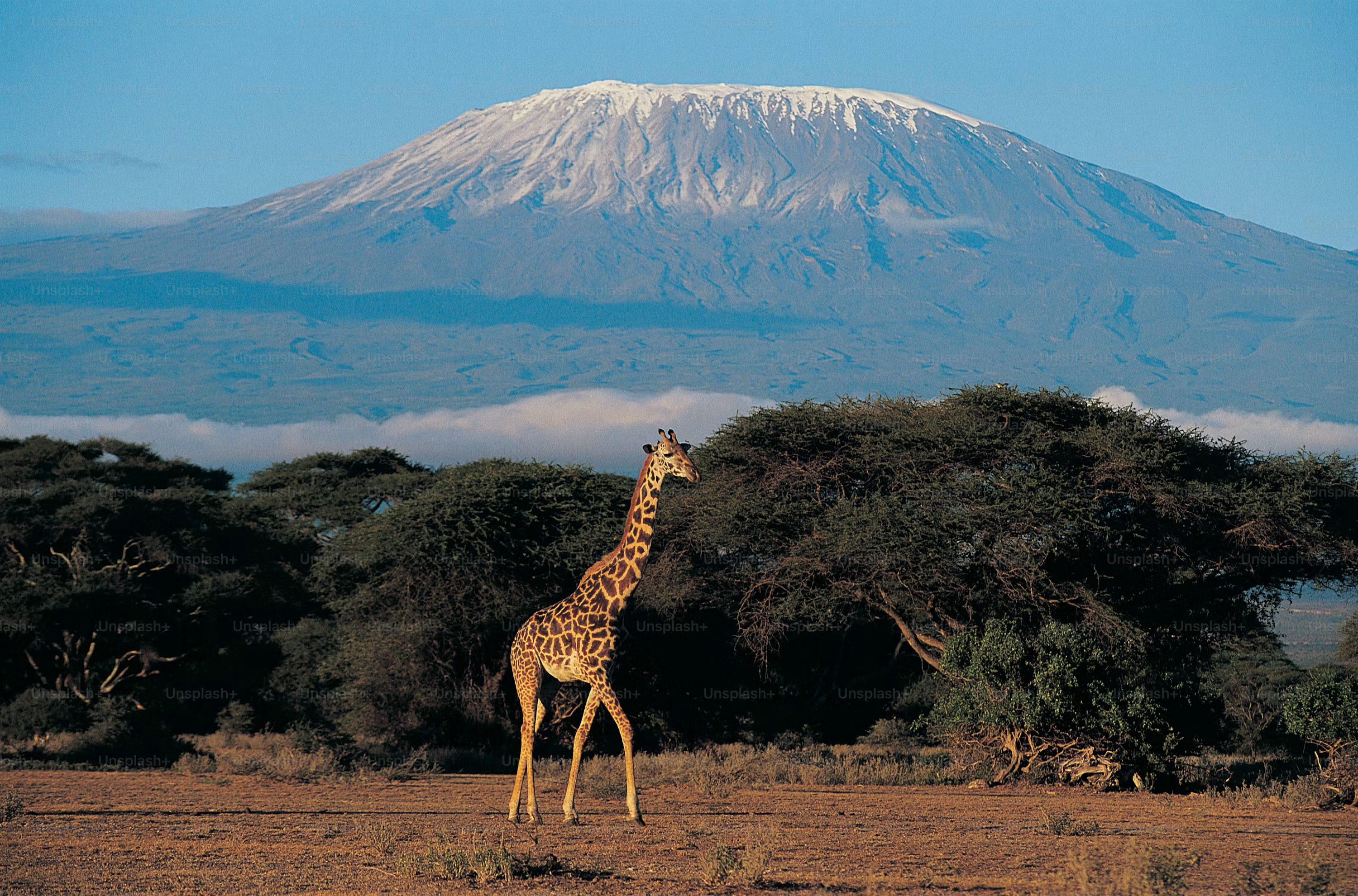
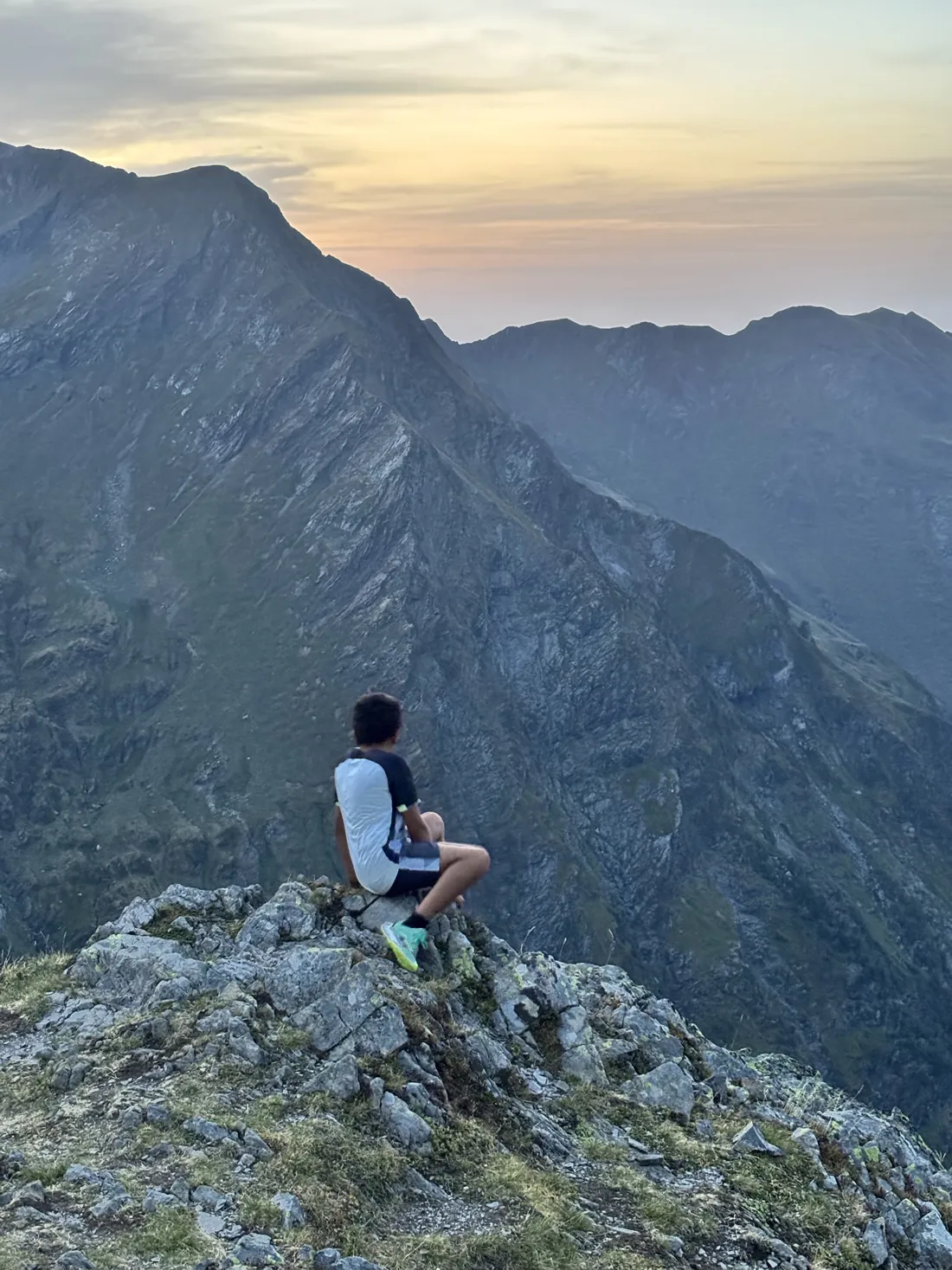
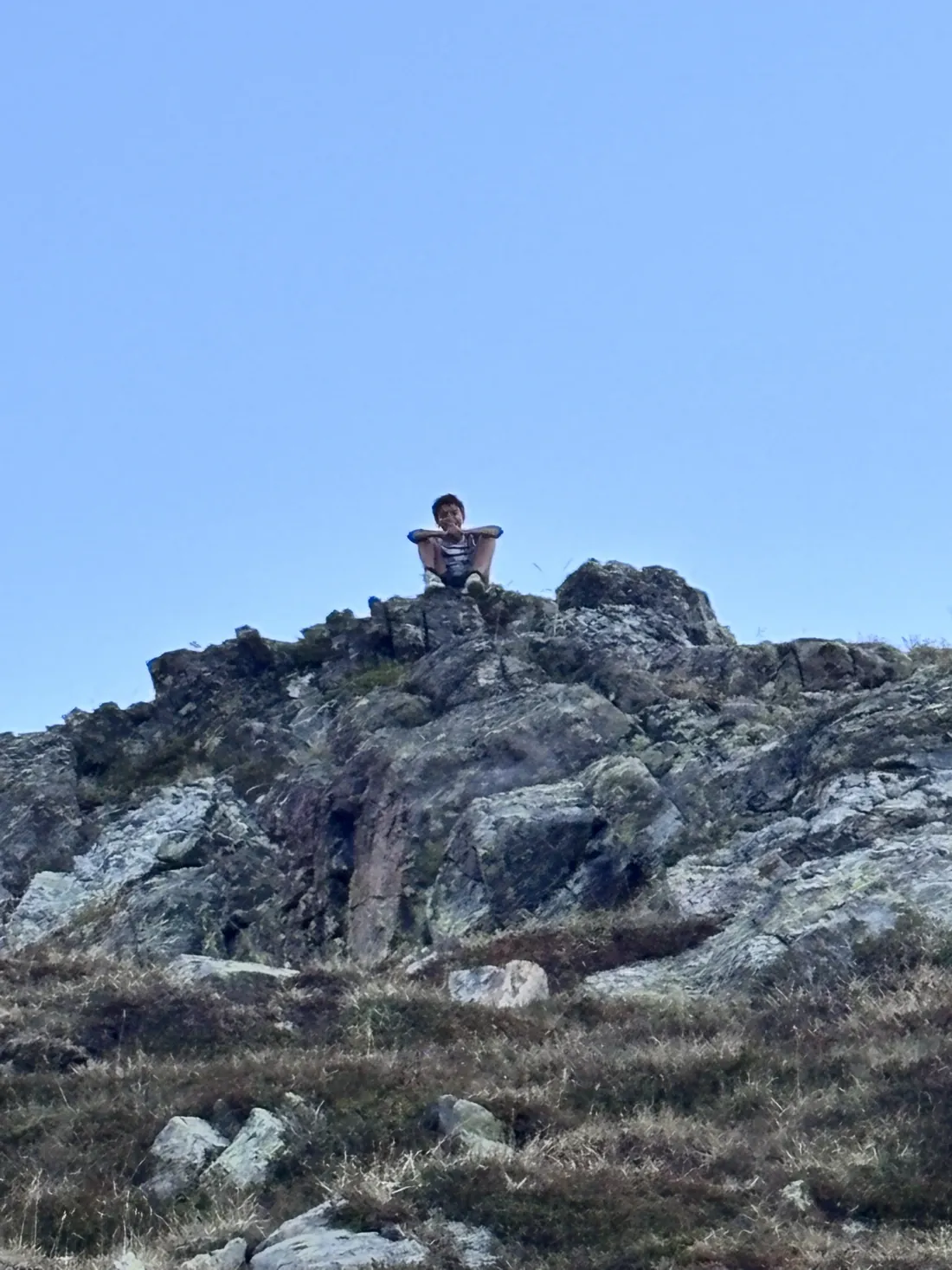
Dhia Hamzaoui — known to everyone as Dido — is about to become both the youngest French and the youngest Tunisian climber to summit Kilimanjaro. The roof of Africa. 5,895 metres above sea level, where the sky merges with eternal ice.
On 3 January 2027, the day before his tenth birthday, he will reach the summit alongside his father. One rope team, two generations, one shared dream.
It's not about performance. It's a story. The story of a child who believes you can start big — very big — and very early. And that every step, however small, writes something.
Twelve flags, twelve languages stammered, twelve cuisines tasted. Dido has been travelling since he could walk, and every trip has shaped him a little more.
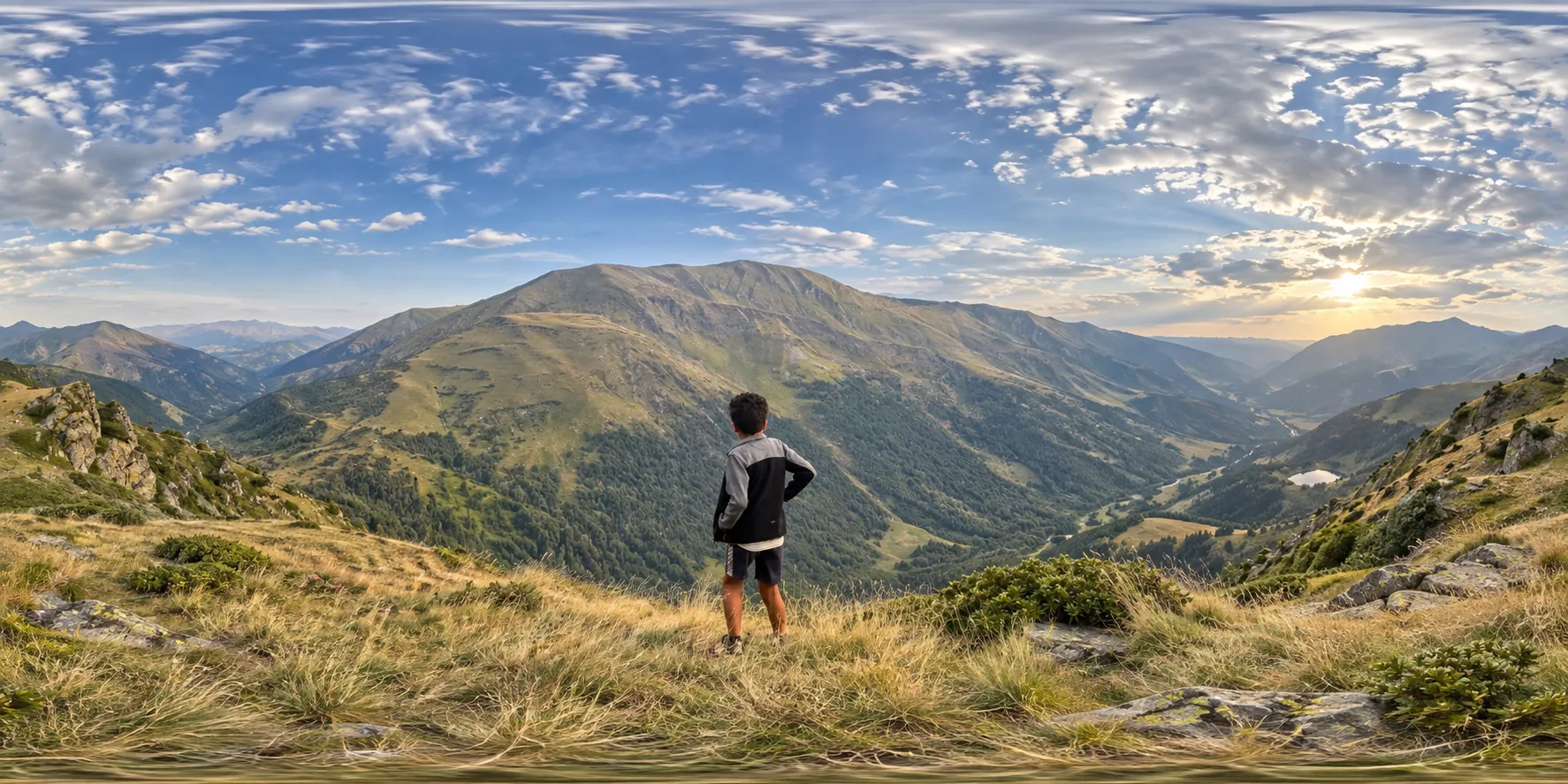
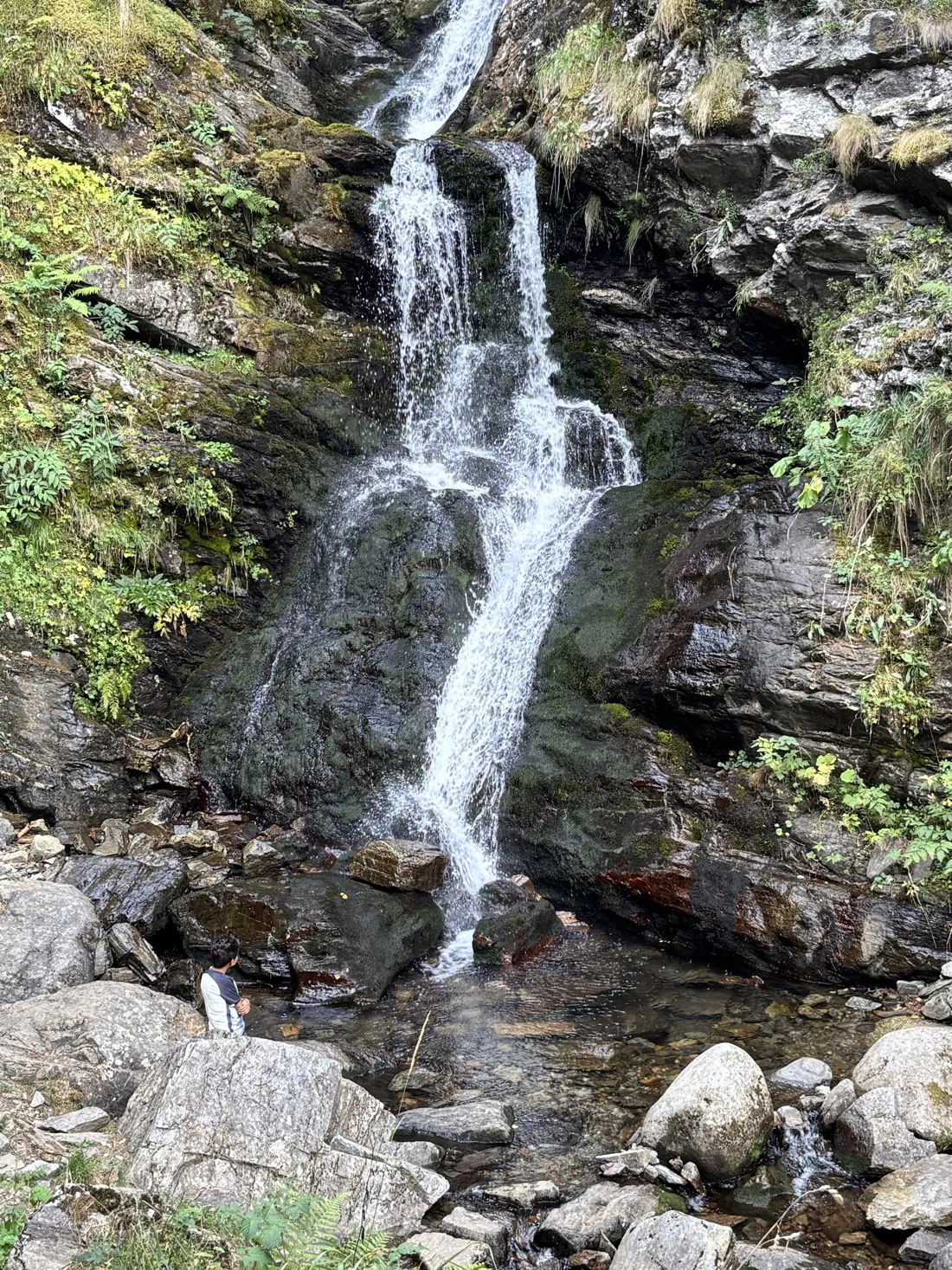
He can read animal tracks and name the birds he spots. He loves the smell of damp wood and the silence of the forest. For him, the outdoors is his real home.
He is living this project as a pair. His father walks beside him, trains him, listens to him. A bond passed on step after step, breath after breath, on the trails that lead to the roof of Africa.
He will turn 10 on 4 January 2027, the day after the summit, on his way down the mountain. Quite a special birthday present.
His grandparents come from the Daher mountains in Tunisia. Altitude runs in the family.
Hiking, endurance, altitude acclimatisation. Every week, Dido trains to be ready for the big day.
The Marangu route is the oldest route up Kilimanjaro, and the only one where climbers sleep in huts rather than tents. Its steady gradient and acclimatisation day at Horombo make it ideal for a young climber: six days crossing five climate zones — from rainforest to the arctic desert of the summit.
Leaving Moshi at 9:30 am for the Marangu gate. While the guide sorts out the permits and the rangers weigh the porters' loads, the chef prepares lunch before setting off. Then the trail plunges into the rainforest: giant ferns, mosses, colobus monkeys in the canopy. First night at Mandara Hut, among the trees.
A long day at a steady pace. The forest gradually opens onto high moorland, the realm of giant heathers. From here on, nights are spent above the tree line. On a clear day, both peaks appear from Horombo: Kibo and Mawenzi. New Year's Eve at 3,720 metres.
The first day of the year, and the key acclimatisation day. A short hike up to Mawenzi Ridge at 4,389 m, then back to Horombo Hut for a second night. This “climb high, sleep low” technique gently prepares the body for the altitude of the summit.
The trail crosses the alpine desert, a lunar landscape where almost nothing grows, with the summit in sight. The walking isn't hard, but the altitude calls for a slow pace to save energy. At Kibo Hut: early dinner, early bed — the alarm goes off around midnight.
The longest and most beautiful day. Setting off around midnight by headlamp, up a steep and demanding slope. The team checks oxygen levels and pulse regularly throughout the climb. On the crater rim, at Gilman's Point, the sun rises over Africa.
Then the final ridge to the top: Uhuru Peak, 5,895 m. The roof of the continent. The emotion of a lifetime. After the summit, a long descent to Horombo Hut for one last night on the mountain.
His 10th birthday. The longest stage, but almost all downhill: hard on the legs, easy on the lungs. Back through the moorland, then the forest. At the Marangu gate, summit certificates are handed out and the team celebrates, then it's back to the hotel in Moshi. The dream has come true. Hakuna Matata.
Why the Marangu route? For a 9-year-old, it's the most reassuring choice: nights in huts rather than tents, a gradual slope, and a full acclimatisation day at Horombo (up to 4,389 m and back down) before heading for the summit. The whole climb is done with a professional team: mountain guides, porters and a cook, from the gate to the summit.
The full itinerary. Arrival at Kilimanjaro Airport on 29 December 2026 and a night in Moshi, six days on the mountain from 30 December to 4 January, another night in Moshi, then the flight home on 5 January 2027.
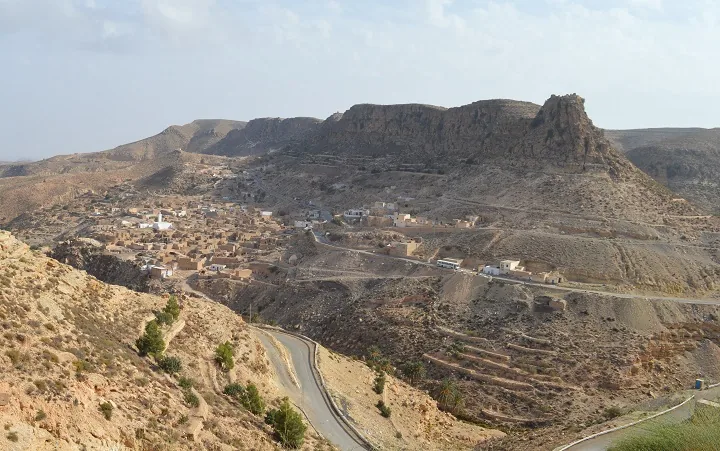
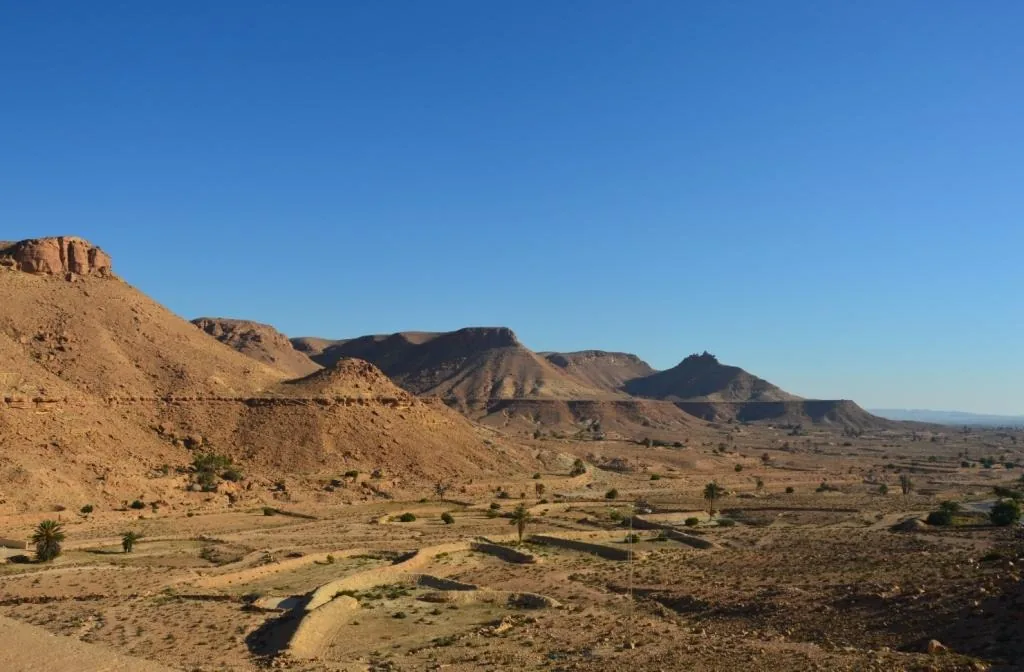
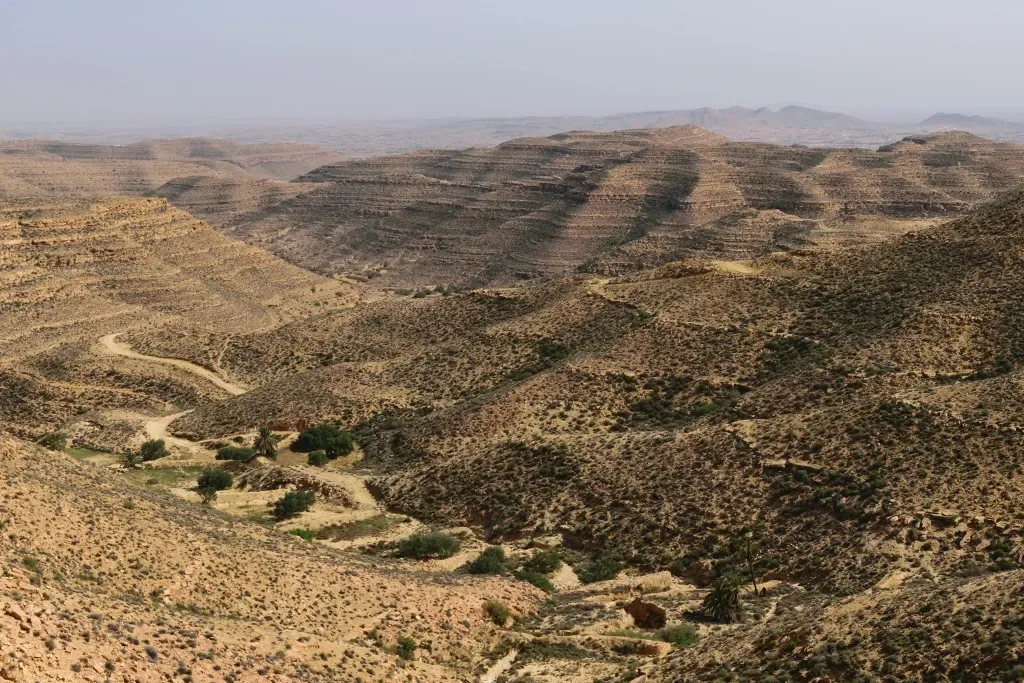
Dido's grandparents were born in the Daher mountains of south-eastern Tunisia. A landscape carved by the centuries, where Berber villages cling to the ridges like eagles' nests.
This land, listed as a UNESCO World Heritage site, tells of a civilisation of altitude, resilience and mineral beauty. Before climbing Kilimanjaro, Dido will — symbolically — follow in his ancestors' footsteps.
"The mountain knows no borders. It belongs to those who know how to look at it."
— One family, three generations, one horizon
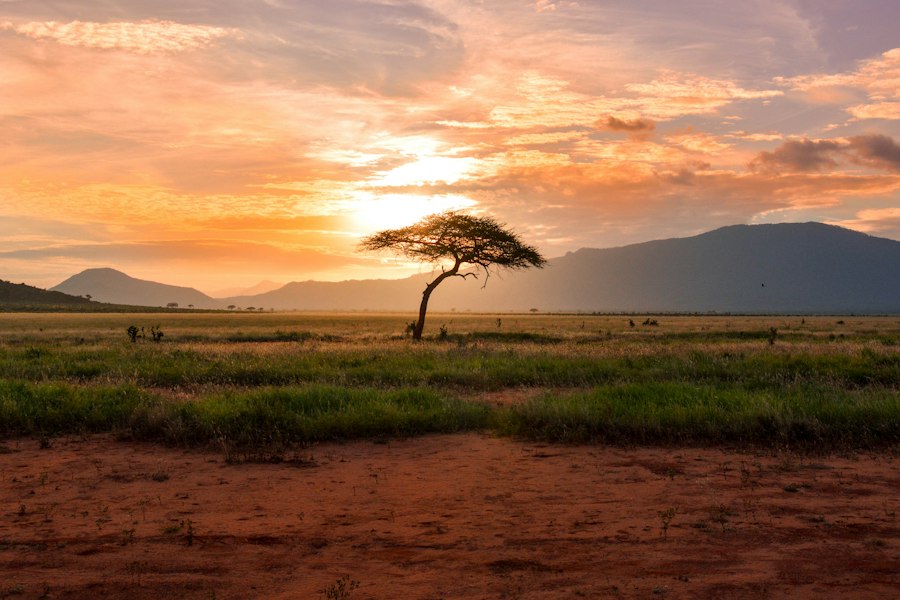
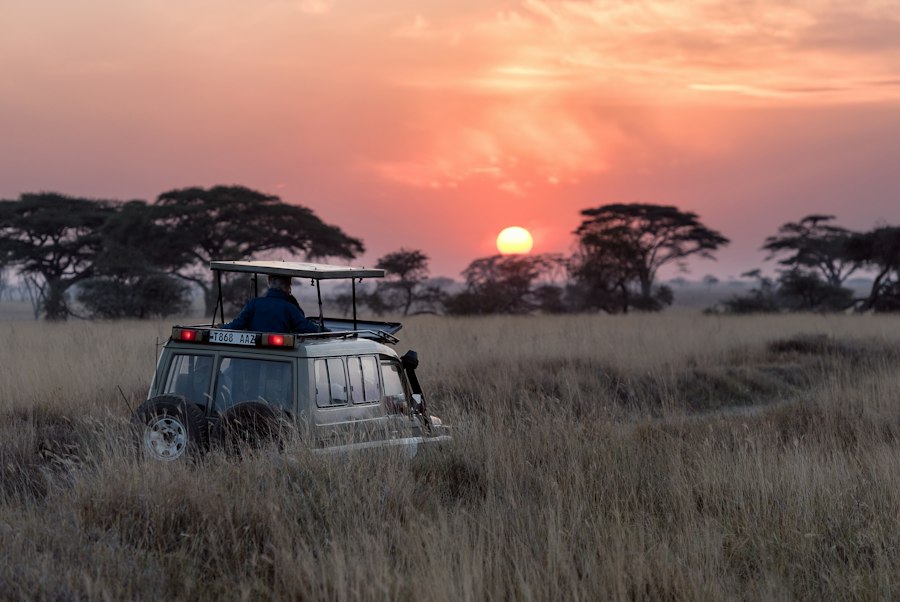
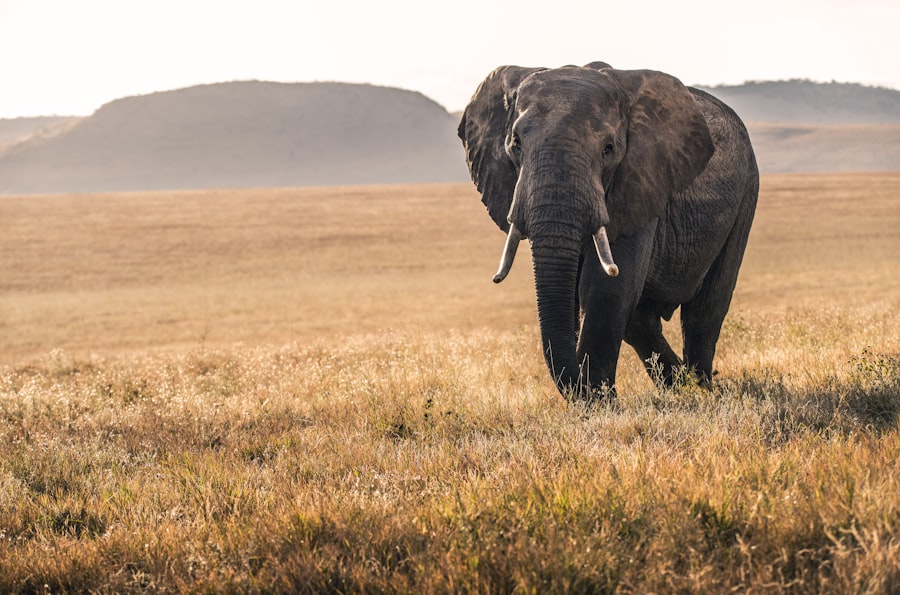
A cradle of humankind, Tanzania is home to some of the most spectacular landscapes on the planet: the Serengeti, the Ngorongoro Crater, the island of Zanzibar — and of course Kilimanjaro, Africa's highest mountain.
Kilimanjaro National Park, a UNESCO World Heritage Site since 1987, covers 1,688 km² and spans five distinct climate zones: from lush rainforest to equatorial glaciers, by way of moorland and alpine desert.
From tropical rainforest to eternal glaciers. In 6 days, the expedition covers the equivalent of a journey from the Congo to the North Pole.
Kilimanjaro National Park has been a World Heritage Site since 1987 for its exceptional biodiversity and its status as Africa's highest peak.
Nicknamed the "Coca-Cola Route", it is the oldest route up Kilimanjaro and the only one with nights in huts. 79 km there and back in 6 days, including an acclimatisation day.
Project announced, partnerships set up, physical training begins.
Trekking in the Alps, progressive acclimatisation sessions. The first 3,000 metres.
Medical checks, gear, visualisation. Intensive training supervised by experts.
6 days on the mountain. Marangu route. Goal: Uhuru Peak on 3 January 2027.
A proper training day in the Pyrenees, above Bagnères-de-Luchon. From the Lys car park, the trail climbs through the forest and then high mountain pastures to the Maupas hut, perched at 2,430 m below the Pic du Maupas (3,109 m). More than 1,300 metres of ascent: more than the summit stage on Kilimanjaro.
The storyBackpack on, Dido sets off up the trail at a good pace. He's in great shape that day: the forest, the switchbacks and then the high pastures roll by, and he climbs the 1,320 metres of ascent in 3 h 55 min. No heading back down that evening: the night is spent up high, at the Maupas hut, at 2,430 metres. A full-scale rehearsal for Kilimanjaro, where every night on the mountain will be spent in a hut.


Route calculated on OpenStreetMap trails · elevations from a digital terrain model · figures are approximate.
Another training day, in the Néouvielle massif. From the Cap-de-Long dam, the trail climbs above the lake to the Pic Maubic, a summit of more than 3,000 metres that stays quiet, overshadowed by its more famous neighbours. Stony ground, scree slopes and 1,080 metres of ascent: ideal training for the final climb on Kilimanjaro.
Figures from the Visorando route sheet · track rebuilt from OpenStreetMap trails · elevations from a digital terrain model · figures are approximate.
Medical preparation for an expedition to Tanzania is rigorous. Here are the vaccinations required and recommended by the Institut Pasteur and the French Ministry of Foreign Affairs for travel to Tanzania. Dido is fully up to date with this protocol.
Have a tailor-made partnership in mind? Want to contribute in kind (gear, logistics, media)? Let's talk. Every story deserves its rope team.
You don't need to be a company to join the rope team. Our online fundraiser helps pay for gear, climbing permits, guides and the trip to Tanzania. Give any amount you like, or pick a reward as a thank-you.
A personal thank-you by email and the signed summit photo.
A postcard sent from Tanzania, your name on the supporters page and the signed summit photo.
Your name on the flag raised at Uhuru Peak (5,895 m), the signed photo and your name on the supporters page.
All of the above, plus access to the private expedition logbook: photos and daily news from the mountain.
All of the above, plus your name or logo on the website and social media, and the official “Dhia & Papa” expedition T-shirt.
Secure payment on OnParticipe, a French online fundraising platform. Rewards are chosen directly on the fundraiser page.
See the supporters page →Thank you to everyone supporting the adventure. Every name listed here helps Dido get closer to the summit — and some will travel with him all the way to Uhuru Peak, on the flag.
The team is just forming: no names yet. Be among the first to appear on this page!
Contribute to the fundraiser →